How Did We Go From Chatbots to AI Agents?
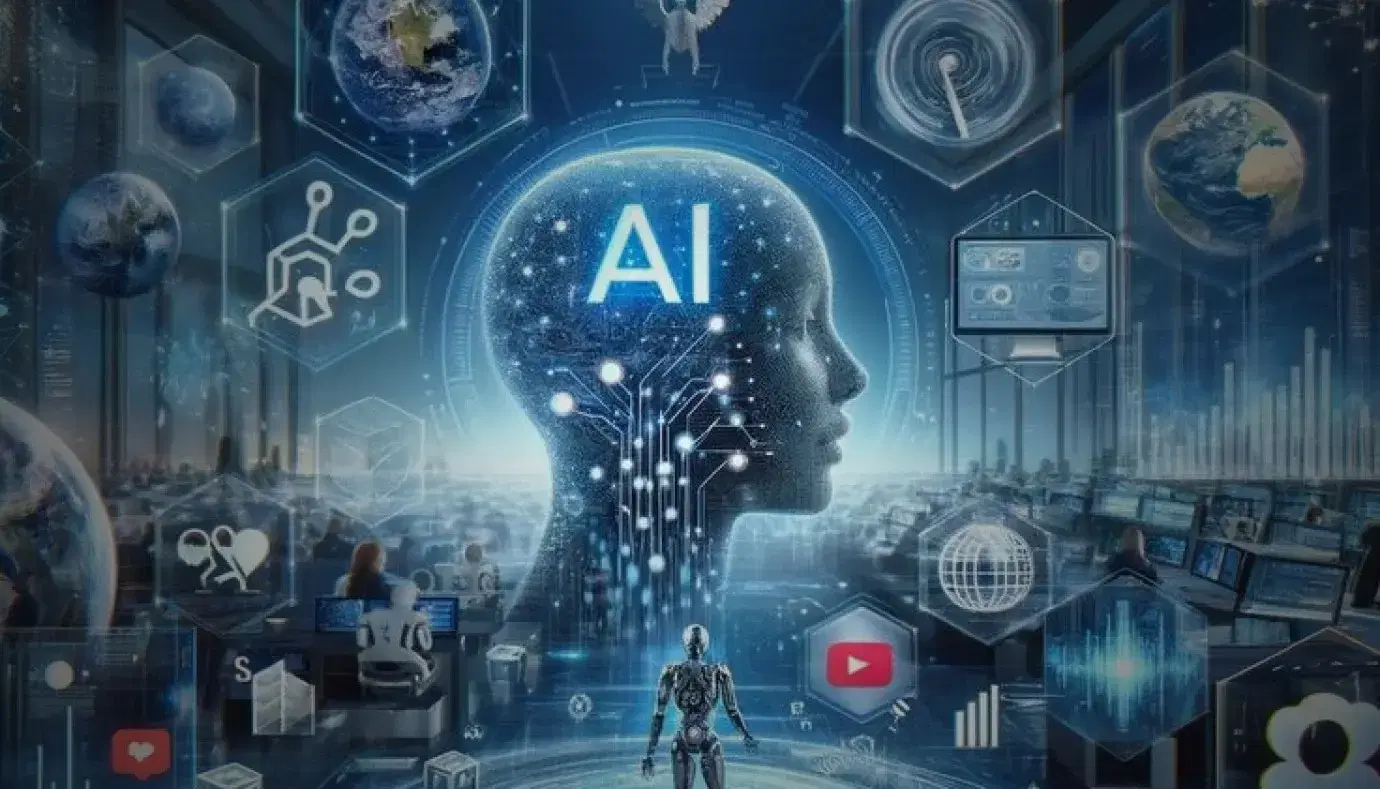
Modern conversational technology experienced a deep technological progression through time, beginning with rule-based chatbots and resulting in advanced AI agents for contemporary use, reflecting the shift from chatbots to AI agents in the broader conversational AI evolution. Artificial systems that used to handle specific keywords have developed into user-friendly adaptive platforms that mimic human conversation abilities. The development of natural language processing and machine learning and deep learning techniques allowed chatbots to progress into context-holding, AI-driven agents able to learn autonomously and execute difficult operations that restructure digital human-machine interactions, forming the AI agents history.
Let’s examine this evolution in more detail and see how each stage influenced today’s sophisticated systems.
The Era of Basic Chatbots
Basic chatbots provided rule-based systems because they needed instructions to process specific keywords in the early 2000s. These bots could:
- Standard procedures programmed within the system respond to frequent questions that users pose.
- Operate within predefined workflows
- Although it was challenging to deal with complex inquiries, the system operated successfully.
The bots from that period signaled important progress while their artificial intelligence capability remained restricted. The bots functioned with preloaded automated replies, which predefined the exchanges between the system and users.
The Integration of Natural Language Processing (NLP)
Information technology advanced with the introduction of NLP as a functionality that let chatbots perform the following operations:
- Understand context and intent
- Process language more naturally
- Deliver more human-like interactions
The combination of IBM Watson and early versions of Siri enabled NLP technologies to power chatbots, which provided users with interactive responses. The advancement enabled better user-exchange interactions through progress.
The Role of Machine Learning
The integration of machine learning technology has brought chatbots the ability to adapt through the following features:
- Learn from past interactions
- Improve accuracy over time
- Bots can determine upcoming customer requirements through observed behavioral patterns.
Bots entered their new stage of development when they moved from simple reactive systems to practical proactive tools. The platform began delivering individual recommendations on top of helping users solve complicated problems.
The Rise of AI Chatbots
AI chatbots established themselves as intermediaries that connect standard chatbots with complex AI agents. These systems utilize natural language understanding, machine learning, and real-time data analysis to:
- Personalized interactions should be available through all user contacts
- The platform should easily link with both customer support management solutions and Customer Relationship Management systems
- Semi-complex inquiries become manageable through minimal assistance from human operators
A new milestone appeared through this technology, which created responsive conversations that dynamically communicated while minimizing programmed responses and adjusting to user aims. The public gained access to artificial intelligence chatbot functionality through main platforms including ChatGPT, Google Assistant, and Alexa, which enhanced accessibility for businesses and their audiences.
Enter AI Agents: The Game-Changer
AI agents offer features that extend classic chatbot functionalities through their
- Advanced AI Models: Leveraging deep learning and generative AI
- The computer shows multichannel intelligence through its ability to decode text material alongside both vocal statements and visual data from cameras.
- After the independent system task reception, the operation can continue without human intervention.
Unlike chatbots, AI agents can:
- The system engages in meaningful dialogue about various subject topics
- The system executes complex operations, which include appointment booking together with schedule control.
- The system continues operating undisturbed while linked with IoT devices together with enterprise operations.
OpenAI’s ChatGPT provides an illustration alongside Google’s Bard and Amelia from business applications.

What’s Driving This Evolution?
- Advancements in AI: Improved algorithms and computational power
- User Expectations: Users desire human-like interactive patterns when they interact with systems.
- Business Needs: Business operations at present demand automated solutions that provide high efficiency together with effective scalability.
The Future of AI Agents
AI agents will develop the following system profile during the next years:
- More Context-Aware: Gaining insight into the subtle preferences of users.
- Emotionally Intelligent: Responding with empathy and adaptability
- Fully Integrated: Becoming indispensable parts of daily life, from homes to workplaces
Final Thoughts
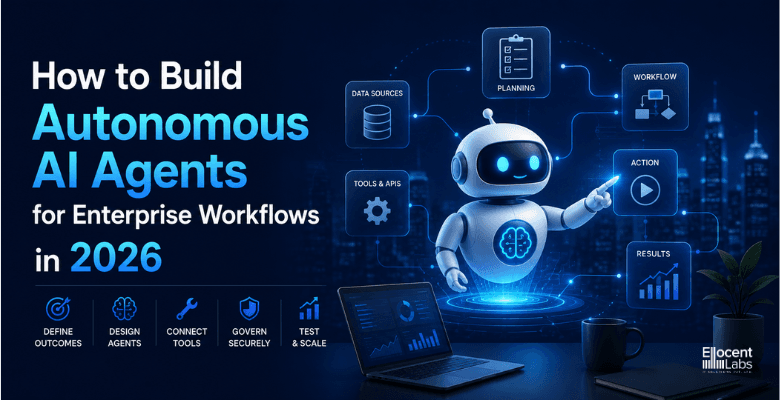
The advancement of technology, together with human interest in intelligent computer systems, produced AI agents beginning with chatbots. Businesses using AI agents gain a competitive position and create better user experiences. Ellocent Labs takes a leadership position in the development of these innovative solutions for the current period. Our team at Ellocent Labs operates among the leaders of current advancements. Build AI solutions that serve your requirements!
Contact us today to explore the possibilities.
Not sure which approach is right for your project?
We've built both. We'll tell you honestly which one fits.
From no-code MVPs validated in 6 weeks to enterprise AI platforms with 50,000+ users, we've built across the whole range. Book a consultation and we'll tell you honestly which approach fits your budget, your timeline, and your scale ambitions.
Book a discovery call